
1 Introduction
In response to global challenges such as climate change, global warming and health issues, the sustainability paradigm in urban mobility advocates for active modes of travel like walking and cycling (Banister 2008). But our cities are still far from having comfortable active mobility infrastructures (Papaioannou et al. 2025).
For modal shift to happen, walking and cycling need to feel not just safe but also comfortable. While accommodating driving comfort has been a constant pursuit in the automobile industry (Kyung & Nussbaum 2008; Papaioannou et al. 2025), we have a very limited understanding of what comfort means for people who walk or cycle, what influences this comfort and how comfortable our cities are for pedestrians and cyclists. Classic literature around comfort comes from outside transport research and defines comfort as “a pleasant state of physiological, psychological, and physical harmony between a human being and the environment” (Pineau 1982; Slater 1986). This tripartite framing, body, mind, and physical conditions, already hints at the complexity that active mobility research has yet to fully confront. Comfort in active mobility sits in a peculiar position: in Alfonzo’s (2005) hierarchy of walking needs, it ranks above safety but below pleasure, a higher-order need that only becomes relevant once basic requirements like feasibility and accessibility are met. In many European contexts, these basic requirements have largely been achieved, making comfort the next frontier. Yet comfort has received far less systematic attention than safety, despite its documented influence on modal choice and route selection (Campos Ferreira et al. 2022; Negm et al. 2024).
In an urban planning context, the concern for experiential quality is not new. From Lynch’s (1960) legibility of urban form and Jacobs’ (1961) sensory life of streets to Appleyard et al.’s (1981) demonstration that traffic erodes social life on residential streets and Gehl’s (2010) human-scale design principles, decades of urban thinking have foregrounded knowledge on how people experience their environments. Yet in transport research, this tradition has only partially been operationalized. Comfort in active travel has been studied in relation to thermal conditions (Abarghuie et al. 2021; Arakawa Martins et al. 2022), wind exposure (Baş et al. 2024; Blocken et al. 2016), pavement quality (Bíl et al. 2015), among others, but these efforts remain siloed, each addressing one facet without a shared conceptual foundation.
Part of this fragmentation stems from the fact that comfort is rarely studied on its own terms. Across literature, a wide range of related concepts and proxy words stand in for comfort: walkability, satisfaction, ease of travel, pleasantness, happiness, well-being, convenience, stress, discomfort, and quality of experience, among others. This is not surprising; comfort is genuinely complex and multifaceted. In psychology, it reflects emotional ease and a sense of control (Pineau 1982). In ergonomics, it means the absence of physical strain (Pearson 2009). In architecture, it emerges from sensory responses to temperature, light, sound, and spatial enclosure (Zeisel 1984). In transport research, it is loosely associated with ease, satisfaction, and convenience, yet often remains vaguely defined (De Vos 2024). While these concepts overlap with comfort, they are not interchangeable with it. We believe this diversity of proxy words for comfort reflects the abstract and hard-to-capture nature of it while at the same time preventing the research from advancing further. Therefore, our focus is specifically on how comfort itself, not its proxies, has been conceptualized and measured in the context of active mobility.
To bring precision to this inquiry, we adopt a literal approach to the term “comfort.” This paper asks, “What is comfort in active modes, and how has it been studied?” To determine the answer, rather than casting a wide net across all studies that touch on related concepts, we systematically reviewed research that explicitly positions comfort as a central concern, identified by its presence in the title. This deliberate narrowing ensures that we are analyzing comfort as a primary research objective rather than a secondary observation, allowing for a cleaner conceptual synthesis. Findings reveal that even among studies that foreground comfort, there is considerable fragmentation rather than a coherent research stream. Definitions vary, dimensions are inconsistently operationalized, and few studies build on one another’s conceptual foundations.
This fragmentation points to a clear gap: active mobility research currently lacks a shared conceptual framework that defines “comfort” as a distinct, multidimensional construct—one that is distinguishable from related concepts like safety, satisfaction, or pleasure. Without such a framework, studies remain difficult to compare, cumulative knowledge is challenging to build, and practical guidance for designing comfortable walking and cycling environments stays vague. From this systematic review, we develop a conceptual framework that establishes common ground for comfort research in active mobility. The framework distinguishes comfort from related constructs such as safety and pleasure, unpacks its constituent dimensions, physical, physiological, and psychological, and provides a foundation for consistent operationalization across future studies. By doing so, it enables researchers to build on each other’s work rather than continually reinventing how comfort is defined and measured.
The remainder of the paper is organized as follows: Section 2 describes the systematic review methodology; Section 3 presents results, including publication trends, research fields, methods, and a comparative synthesis of walking and cycling comfort; Section 4 discusses the proposed framework, its implications and limitations; and Section 5 concludes with key findings, policy implications, and directions for future research.
2 Methodology
Our literature review follows the guidelines of the Preferred Reporting Items for Systematic Reviews and Meta-Analyses (PRISMA) (Page et al. 2021), which allows an accurate, transparent, and common reporting of systematic literature reviews (SLRs). The study identification happened via queries on 28 August 2024 in the Web of Science and Scopus databases. Scientific records were retrieved through this search setting: keywords string “(walk* OR pedestrian OR sidewalk OR cycl* OR bik* OR bicycl*) AND comfort” in the titles of articles or review articles written in English, published in all research fields, through all years. This combination of keywords yielded the most precise results based on research about the user, infrastructure or instrument in each mode. The search strategy prioritized mode-specific terms that explicitly refer to walking and cycling to ensure conceptual precision and relevance to individual comfort perception. Broader terms, such as “active travel” and “wheeling,” were considered and tested but returned either no results or a high proportion of irrelevant records spanning contexts well beyond the scope of this review.
We did not impose any time or field limit on the query to draw a comprehensive understanding of the topic. In the first few iterations of inquiry, results covered a broader pool of papers related to comfort, while we wanted to investigate the papers focused on comfort in active mobility; therefore, we strictly limited our search to the ‘titles’ of scientific publications written in English only. This search yielded a total of 653 papers. After removing the duplicates based on title, abstract, and DOI via Microsoft Excel, we had 337 papers at the end of this stage for screening.
At the screening stage, two researchers investigated the remaining records independently. Each researcher screened the title and abstract of papers based on the inclusion criteria being papers within the scope of investigating human perception of walking or cycling comfort from urban or mobility planning perspectives. Papers were marked as “Included, Excluded, Uncertain” and discussed to reach unanimity among the two researchers. We excluded papers that addressed a purely environmental engineering perspective, as well as those focused on mechanical aspects of bicycles (e.g., frame geometry, suspension systems, or seat ergonomics), as these did not investigate human-perceived comfort during active travel. After a second round of screening and categorizing these records, two significant comfort subgroups in the literature were identifiable: thermal comfort and wind comfort. We decided to exclude these papers, as several reviews of these two topics exist, e.g., Arakawa Martins et al. (2022) and Blocken et al. (2016). At the end of this stage, authors proceeded to conduct a full-text screening of 68 papers based on the inclusion criteria.
During the eligibility check, authors screened the papers entirely. Fourteen papers were excluded due to being inaccessible or out of the scope of the review, for example, those focusing on sensory robot–pedestrian interactions in autonomous wheelchairs rather than human perception or those examining ebikes. Electric bicycles were excluded because electric assistance and higher operating speeds substantially alter riding dynamics and user–infrastructure interactions, rendering them more comparable to motorized vehicles than to conventional bicycles within the scope of this review.
To address potential database and algorithmic omissions, four papers past inclusion criteria were added during the backward snowballing, making up the final pool of 58 papers. An overview of the methodology is shown in Figure 1.
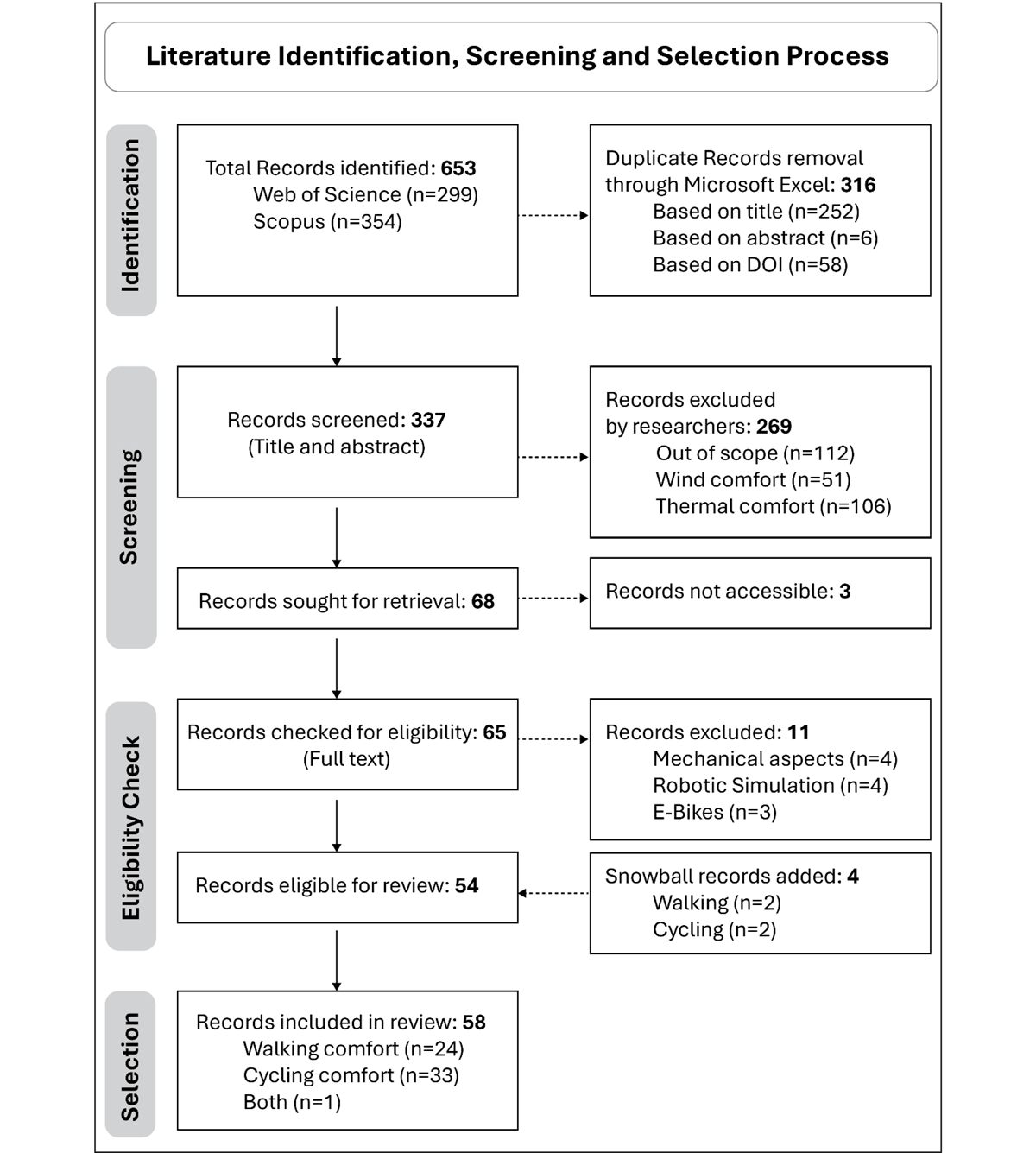
Figure 1: Systematic review PRISMA flow chart.
Eventually, during the inspection stage, all the papers included were studied based on the following criteria: publication year, country, research field and journal, existence of a comfort definition, methods of data collection and analysis, sample size and target audience, subjectivity or objectivity of the research, indicators used, framework, and findings of the study.1
3 Results
The presentation of results is structured into three parts. 1) a descriptive statistical analysis of the papers; 2) comfort types, definitions and indicators; 3) a synthesis of key thematic findings. These results are presented in graphs and numbers based on the categorizations shown in Table 1.
Table 1: Classification of presented results.
| Criteria | Categories | Number of Studies (%) |
| Research field (based on journals) | Transport | 24 (41%) |
| Accident/safety | 3 (5%) | |
| Urban planning | 7 (12%) | |
| Computer sciences | 4 (6%) | |
| Others (sports science, applied science, noise pollution, biology, buildings, ergonomics, health, life sciences) | 14 (24%) | |
| Data collection methods | Survey and questionnaires | 34 (38%) |
| (Walk along) Interviews and observations | 5 (5%) | |
| Experiments and simulations | 11 (12.5%) | |
| Instrumentation and physical measurements | 17 (17%) | |
| Third-party data (literature and document reviews) | 14 (16%) | |
| Case studies, apps and digital platforms | 3 (3%) | |
| Video-based data collection | 6 (7%) | |
| Data analysis methods | Statistical analysis and modeling (technical calculations, regression, correlation, clustering and classifications, machine learning methods) | 49 (84%) |
| GIS and Spatial analysis (spatial statistics, mapping, remote sensing) | 8 (14%) | |
| Literature and document analysis (PRISMA reviews, text mining) | 1 (2%) | |
| Research framework | Conceptual | 13 (22%) |
| Theoretical | 4 (7%) | |
| Analytical or methodological | 41 (70%) | |
| Sample size | Small: 1–50 | 13 (22%) |
| Medium: 51–250 | 9 (16%) | |
| Large: 251–1000 | 14 (24%) | |
| Very large: 1001–5000 | 5 (9%) | |
| Extremely large > 5000 | 1 (2%) | |
| Not specified | 16 (28%) | |
| Target group | General public (Random sampling, no restriction) | 29 (50%) |
| Special demographic or social group (women, elderly, children, etc.) | 9 (15%) | |
| Skill or activity-based groups (skilled cyclists, cycling clubs’ members, etc.) | 5 (9%) | |
| Location-based groups (residents of a neighborhood, passer-by at an intersection) | 5 (9%) | |
| Mixed groups (e.g. Citizens, Associations and Experts) | 7 (12%) | |
| Not specified | 3 (5%) | |
3.1 Descriptive analysis
3.1.1 Time and Geography
The literature on comfort in active mobility has grown steadily over the past decade. The topic gained momentum in 2018 and peaked in 2022 with ten papers published about comfort in active modes with a minor drop in 2021 during the COVID pandemic. The first papers past our selection criteria were published in 2012 (Figure 2A). Except for one paper that studies walking and cycling comfort together, comfort in these modes has always been studied separately, and cycling constitutes the majority of our target selection (33 papers out of 58). Geographically, the research is led by studies from the United States (n = 10, 17%) and China (n = 9, 15%), followed by Canada (n = 7, 13%), Sweden (n = 4, 8%) and several European countries, though contributions are globally distributed (Figure 2B).
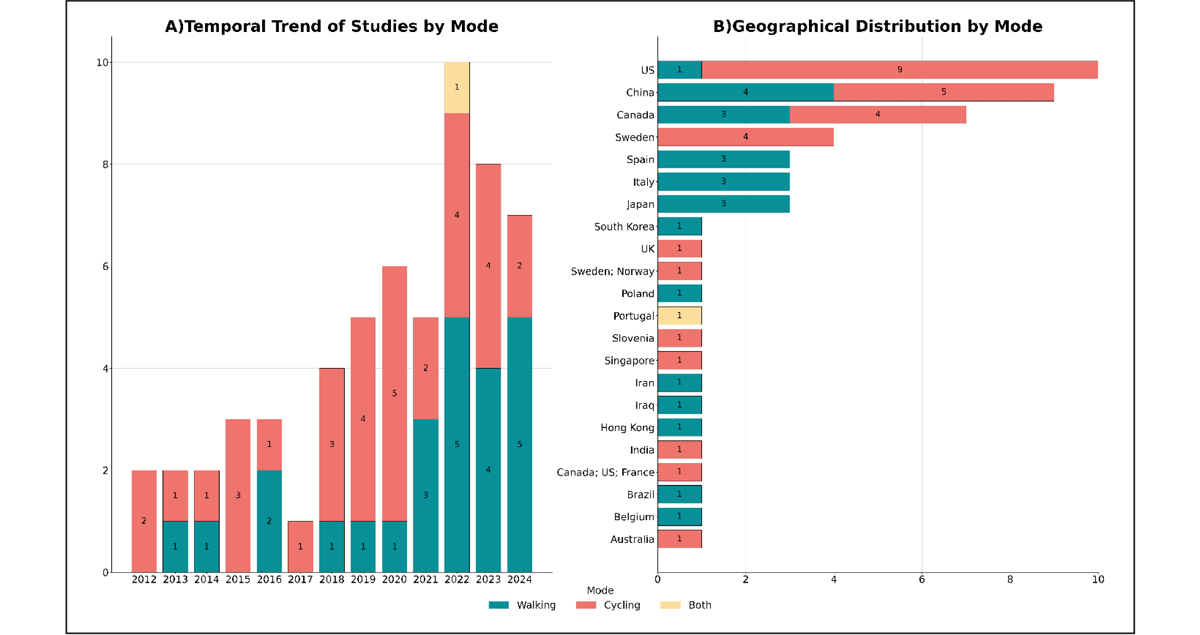
Figure 2: A) Temporal trend B) Geographical distribution.
3.1.2 Research Field and Authors
Besides transport, active mobility comfort has been studied in other research fields such as urban planning, health, safety and accidents, environmental studies, and computer science, highlighting its interdisciplinary nature. It is noteworthy that more than 30% of the studies were published in 4 journals (Transportation Research Record, Transportation Research Part F, Transportation Research Part A and Accident Analysis and Prevention). While many of the cycling papers are published in transportation and accident/safety journals, walking comfort has been discussed more diversely in urban planning, environmental studies and computer science. A total of 207 unique authors contributed to our collection of papers, but only 10% have published more than once about active mobility comfort. This indicates that “comfort in active mobility” is a niche and emerging topic without a well-defined core group of dedicated experts.
3.1.3 Data Collection and Analysis Methods
Thematic analysis reveals a strong concentration on “human perception and comfort,” particularly in cycling-focused studies, followed by research on environmental conditions and behavioral aspects, the latter being more prevalent in walking-related research. 58% of the studies (n = 34) used surveys and questionnaires as the data collection method, followed by instrumentation-based approaches (n = 15, 25%) and third-party data sources (n = 14, 24%). A smaller number of studies employ simulations (n = 11, 18%), digital platforms and apps (n = 9, 15%), and video recordings (n = 6, 10%), while interviews and observations remain marginal (n = 5, 8%). Almost half of the studies benefited from a mixed data collection approach (Figure 3A). Objective approaches prevail overall, although a notable share of studies integrate both subjective and objective measures. Quantitative approaches dominate the analytical landscape in both modes, with statistical analysis and modeling constituting the most applied method (n = 49, 84%), particularly in cycling-related studies. Other methods, such as GIS-based spatial analysis and literature analysis appear less frequently (n = 9, 15%) and are often tied to walking studies (Figure 3B). It is noteworthy that none of the studies in our review used qualitative analysis methods.
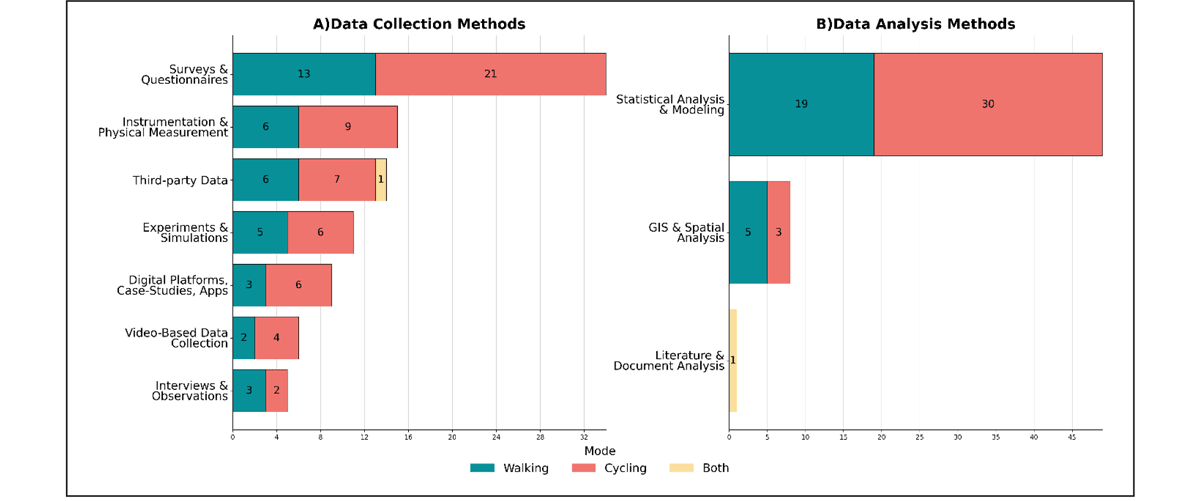
Figure 3: A) Data collection methods B) Data analysis methods.
3.1.4 Target Groups and Research Frameworks
Most research targets the general public (n = 29, 50%), with fewer studies addressing vulnerable populations (n = 9, 15%), location-based (n = 5, 9%) or skill-based groups (n = 5, 9%). Sample sizes vary, but small (1–50) and large (251–1,000) groups are most common (46% together). A considerable number of papers (n = 16, 27%) do not disclose sample size, which raises concerns about methodological transparency. Regarding theoretical orientation, 70% of the studies (n = 41) adopt an analytical framework, aimed at empirically evaluating comfort indicators or modeling influencing variables. Conceptual frameworks constitute a smaller portion of the papers (n = 13, 22%), often to map comfort-related constructs or design evaluation metrics. Only a handful of papers (n = 4, 6%) use theoretical frameworks such as bicycle level of service, which indicates low engagement with abstract or critical perspectives in the field.
3.2 Walking and cycling comfort: types, definitions and indicators
This review revealed that the term “comfort” is an umbrella encompassing several types of comfort mentioned in literature. Leaving thermal and wind comfort to their respective reviews (Blocken et al. 2016; de Quadros & Mizgier 2023; Jamei & Rajagopalan 2019; Nasrollahi et al. 2020; Trop et al. 2023), other types of comfort include the following:
Acoustic comfort: related to ambient sound levels and noise pollution (Albala & Mülfarth 2024; Alsina-Pagès et al. 2024; Ren et al. 2023; Xiao et al. 2024),
Visual comfort: lighting and safety at night (Huang et al. 2024; Liu et al. 2022b),
Bike seat/saddle/ergonomic comfort: related to agronomy of the seat (Scholler et al. 2021; Shah et al. 2020),
Dynamic/vibration comfort: related to road surface conditions (Vanwalleghem et al. 2013), and
Comfort as part of safety: often referred to the same indicators impacting cyclists’ safety on roads and in interactions with other road users (Abadi et al. 2019; Monsere et al. 2020; Fitch & Handy 2018; Fitch et al. 2022; Kazemzadeh et al. 2024; Shoman et al. 2023).
Despite the increasing attention, more than 70% of the reviewed papers do not provide a clear definition of comfort. In walking mode, recent articles are the only ones that provide a clear definition of comfort, despite the general understanding that comfort is important for creating a positive feeling. Some articles refer to the Hierarchy of Walking Needs by Alfonso (2005), highlighting that comfort is “an individual’s sense of ease, pleasure, and satisfaction” (Nury & Haykal 2023: 2) supported by describing comfort as “a personal state produced by a combination of different factors” (Al Shammas et al. 2023: 2). The only clearly stated definition of comfort related to walking is given by Ma et al. (2021), defining pedestrian comfort as “the extent to which walking is accommodated to capabilities and skills of all types of pedestrians with attributes and amenities that ease the walking experience” (2). Gill et al. (2022) highlight that in their study “safety” is defined as “feel[ing] safe from the threat of crime” (excluding traffic safety), and “comfort” is defined as “level of ease, convenience, and contentment” (including traffic safety) (180) based on the hierarchy of walking needs (Alfonzo 2005). Bigazzi et al. (2021) highlight the challenge of comfort and safety being often addressed “interchangeably in the literature on pedestrians and cyclists” (34), summarizing that comfort often has been studied as “safety concern, fear of traffic, concern about traffic, or concern about conflicts with vehicles” (34).
In contrast, older cycling papers (e.g., from 2016) provide a general definition of comfort, such as “bicyclists being able to ride as easily and freely as they wish,” free from stress or tension or as a general term to describe how an environment is experienced by people (Blanc & Figliozzi 2016; Vanwalleghem et al. 2013). A second group of papers adopted and enhanced existing definitions that describe comfort with physical, physiological and psychological factors and a balance between them (Ayachi et al. 2015). Inspired by road safety literature, Šemrov et al. (2022) describe comfort as “a concept supported by road safety, a pleasant environment, connectivity, and the attractiveness of cycling infrastructure,” while two of the papers cited the definition that states, “Human comfort is a complex perception which is jointly influenced by the tactile, visual, auditory, olfactory and hygienic factors” (Gao et al. 2018; Gao et al. 2019). Another distinct definition focuses on vibrational comfort as “closely linked to human perception and from an engineering point of view, related to the level of vibration transmitted from vibrating objects to humans” (Lépine et al. 2014). It seems like cycling comfort in its recent trends has been less defined and more explored as common sense, often coupled with safety and satisfaction.
Researchers have studied a various comfort indicators. Looking back at the 3 types of comfort mentioned, it is worth noting that 89% of the papers used indicators related to physical comfort, 55% of studies included psychological comfort indicators, often as a perception rating without diving deeper into how the perceptions were shaped, and only 15% of the papers included physiological comfort indicators (please see Supplementary Table 1 for more details). Most of the papers measure predefined indicators, while only a few studies adopted an explorative approach to understand what composes the sense of comfort for pedestrians and cyclists (Ayachi et al. 2015; Fitch et al. 2022). Generally, these indicators can be categorized as environmental factors, built environment elements, safety measures, personal and interactional characteristics, urban planning attributes, and a specific category of bicycle components for cyclists. Table 2 provides a summary of comfort indicators. For a detailed review of determinants of comfort, safety and security in active modes, we recommend Campos Ferreira et al.’s (2022)) study.
Table 2: Key comfort indicators.
| Category | Walking Comfort Indicators | Cycling Comfort Indicators |
| Environmental Factors | Temperature, Noise Pollution, Air Quality, Thermal Stress, Soundscape, Biodiversity, Greenery, Sunlight Sensation Vote, Wind, Acoustics, Shade, Time of Day, Microclimate | Air Quality Index (AQI), Noise Pollution, Scenery, Weather, Ambient Temperature |
| Built Environment | Pavement Quality, Effective Sidewalk Width, Lighting, Shade, Bench Availability, Pedestrian Crossings, Surface Types and Quality (Asphalt, Concrete), Slope, Cleanliness, Landmark visibility | Pavement Surface and Conditions, Cycling Facility Type (Protected/Unprotected Lanes), Drainage, Width of Lanes, Separation from Motor Vehicles, Bike Lanes, Road Geometry, Roughness, Shelters |
| Safety Measures | Traffic Volume, Pedestrian Volume, Perceived Safety, Interaction with Vehicles, Risk of Injury, Yielding Perception, Accident Risks, Perceived Traffic Safety | Traffic Volume, Percentage of Heavy Vehicles, Vehicle Speed, Distance to Collisions, Lateral Clearance, Bike Lane Presence, Safety at Intersections, Protected Bike Lanes, Signage |
| Personal and Interactional Characteristics | Gender, Age, Motoric Disabilities, Travel Habits, Risk Aversion, Personal Perception of Safety and Comfort, Disability-Related Barriers (Stairs, Uneven Pavements), pedestrian-cyclist interactions | Gender, Age, Cycling Experience, Confidence, Familiarity with Routes, Perceived Safety, Anger Indicators, Habits |
| Urban Planning Aspects | Walkability Index, Accessibility, Connectivity of Paths, Urban Density, Attractiveness | Bike Infrastructure Quality, Connectivity of Bike Paths, Access to Key Destinations, Traffic-Filtered Roads, Bike Facilities (e.g., Bike Parking), Land Use Around Bike Paths |
| Bicycle Components | N/A | Saddle Comfort, Handlebar Design, Frame Stiffness, Tire Pressure, Pedal Design, Vibration Reduction, Bicycle Geometry, Shock Absorption, Bicycle Fit for Rider |
3.3 Thematic findings
In this section, we provide a temporal and thematic overview of walking and cycling comfort. Three topics have been researched constantly over the years: 1. Comfort as safety, 2. Dynamic/surface comfort, and 3. Developing comfort indices. Conversely, topics like methodological reflection, bicycle agronomy, and explorative studies have been occasional. The following paragraphs provide more details.
3.3.1 Comfort as safety
In articles focused on interactions between pedestrians and other road users, comfort is often examined as safety (Bigazzi et al. 2021; Gill et al. 2022; Lubbe & Rosén 2014). Lubbe & Rosén (2014) see pedestrians as a possible trigger of pushing the boundaries of drivers’ comfort towards discomfort and lost control, the latter clearly separated by a sharp safety boundary (Lubbe & Rosén 2014). While focusing on drivers’ comfort, the studies show that safety and comfort are closely interrelated, but still different in detail. Mostly through video observation of road user interactions in parallel with subjective questionnaires, those interactions are shown as carrying a safety and comfort cost (Gill et al. 2022; Lubbe & Rosén 2014). Pedestrian comfort, per se, is clearly increased when vehicle users drive at slow paces, and safety perception is increased when vehicles visibly reduce their speed, “possibly because it indicates drivers’ awareness and intention” (Gill et al. 2022: 181).
A similar conflation of comfort and safety appears even more prominently in cycling research. In cycling pools, safety concerns together with comfort indexes make up more than half of the body of literature. Safety is the prominent topic when studying comfort, and many researchers have expanded the scope of safety measures to comfort studies. Several works examine physical separation between cyclists and motor vehicles, concluding that such infrastructure reduces discomfort, but their operationalization of comfort closely mirrors traditional safety logic. For example, Li et al. (2012a) and Li et al. (2012b) find that environmental separation significantly influences perceived comfort, based on a questionnaire study. Similarly, McNeil et al. 2015) show that physical buffers, even as minimal as plastic flex posts, substantially increase comfort ratings, particularly among the “interested but concerned” demographic. Studies investigating high-risk scenarios like bicycle-vehicle interactions (Apasnore et al. 2017), presence of trucks near loading zones (Abadi et al. 2019) and user-rated intersection designs (Monsere et al. 2020) also equate reduced exposure to vehicle conflict with enhanced comfort, without directly assessing how cyclists themselves define or describe comfort in non-safety terms.
A similar pattern emerges in more dynamic or psychologically focused studies. The Cycling Anger Scale (O’Hern et al. 2019) investigates discomfort through emotional reactions like frustration or aggression, yet its focus remains on external stressors such as cars and police presence. Experiments exploring obstacle avoidance maneuvers (Lee et al. 2020) and cycling under poor weather or road surface conditions (Shoman et al. 2023) both frame comfort through behavioral and physiological responses, linking it implicitly to risk rather than ease. Roundabout studies (Singleton & Poudel 2023) again highlight protective design as the driver of comfort ratings, reinforcing the overlap with safety perception. Perhaps the clearest case of conceptual conflation appears in Kazemzadeh’s work (Kazemzadeh et al. 2024), which examines comfort in shared spaces. The study employs BLOS and safety-inspired measures, such as passing distance and visibility, but concludes with claims about comfort, despite measuring indicators aligned with spatial safety. Through these studies, comfort is consistently approached as a function of infrastructural risk and protective features, with limited engagement with subjective, bodily, or experiential dimensions of comfort as perceived by cyclists themselves.
3.3.2 Dynamic/surface comfort
Road design is often addressed as a factor influencing the perception of comfort (Garilli et al. 2023; Huang et al. 2024; Piao & Lee 2022; Zuo et al. 2021), but only a few studies investigate it further. Wojnowska-Heciak et al. (2022) investigate the influence of different pavement types on the moving comfort of pedestrians with motor disabilities. The authors emphasize that poor-quality pavement surfaces are a common obstacle and that large, smooth concrete slabs are particularly preferred. Closely related to pavement is vibration comfort. For wheeling, the pathway roughness indices (PRI), adapted from the International Roughness Index (IRI) used for roadways, are employed to categorize whole-body vibrations experienced by wheelchair users (Duvall et al. 2016). The authors applied a physical gadget, called PathMeT, which measures the vibrations on different surface types (Duvall et al. 2016). The international standard (ISO 2631 – Mechanical Vibration and Shock, Evaluation of Human Exposure to Whole-Body Vibrations) is used as a base to evaluate this type of comfort. Compared to cycling, surface and dynamic comfort remain considerably less studied in walking research, with only a handful of studies addressing it directly.
In cycling literature, almost one third of the papers are focused on human-machine mechanisms. Sports engineering and applied sciences study rider comfort with regards to bike frame stiffness (Shah et al. 2020) and biomechanical sitting comfort (Scholler et al. 2021). They investigate the materials and structural design of a bike to ensure higher riding comfort for the average person using simulations and mathematical calculations and laboratory tests. Vibration comfort is another prominent theme in cycling comfort that refers to the level of vibration transmitted to humans on various surfaces, also referred to as dynamic comfort during the riding movement (Lépine et al. 2014; Vanwalleghem et al. 2013). There are certain standards introduced by the Standard Organization (ISO) that are investigated through laboratories and real-life situations. This kind of comfort mainly impacts cyclists’ choice of bicycle (Gao et al. 2018; Gao et al. 2019) and is the most defined type. Recent studies from a transportation engineering point of view investigate pavement conditions and humans’ perception of comfort using eye-tracking sensors, simulations, accelerometers and smartphone applications combined with subjective experiments and tests (Gadsby et al. 2022; Niska et al. 2024; Yang et al. 2023). This line of research gives insight into bike and road surface material and design.
3.3.3 Comfort indices
Recent efforts to quantify the pedestrian experience have culminated in the development of comprehensive assessment tools, most notably the Pedestrian Walkability and Comfort Index (ICCP) (Albala & Mülfarth 2024) and the Walkability Index by Al Shammas & Escobar (2019), later extended into a comfort-based routing algorithm (Al Shammas et al. 2023). By centering comfort, these indices must account for an expansive array of variables. The ICCP integrates thermal, acoustic, and ergonomic comfort dimensions alongside urban form and climatic attributes, though the authors acknowledge that visual, illumination, and air quality factors remain outside its scope (Albala & Mülfarth 2024). Al Shammas and colleagues (2023) take a more user-centered approach, allowing pedestrians to input individual preferences and generating the shortest comfort-based walking route within an interactive tool. Together, these approaches represent a shift toward integrating comfort into GIS-based walkability assessments, a task previously avoided due to the substantial computational effort required to model highly dynamic factors and diverse individual perceptions.
The indicators feeding these indices fall into two areas. The first concerns street-level urban design and infrastructure: Landscape layout and architectural function (Nury & Haykal 2023; Piao & Lee 2022; Ren et al. 2023; Zuo et al. 2021), separation of transport types (Zuo et al., 2021) and specific sidewalk characteristics such as pavement conditions and effective walking width (Duvall et al. 2016; Huang et al. 2024; Wojnowska-Heciak et al. 2022), and the presence of street furniture and general urban design amenities (Huang et al. 2024; Alsina-Pagès et al. 2024). The second concerns environmental and microclimate interactions: the material composition of building facades directly impacts thermal comfort (Takebayashi 2016), while street planting and greenery provide a “soothing effect” on both urban heat (Teshnehdel et al. 2020) and sound levels (Ren et al. 2023). Piao & Lee (2022) as well as Teshnehdel et al. (2020) argue that these tangible elements interact inseparably with intangible factors such as seasonal characteristics, natural lighting, and radiation, reflecting the inherently dynamic and multisensory nature of pedestrian comfort.
A parallel effort to develop standardized comfort metrics is visible in cycling research, though with a notably different disciplinary emphasis.
Cycling research has made several attempts to develop universal indices or classification systems that quantify and compare comfort levels in cycling environments. One common approach involves adapting a familiar A-F scale (Beura et al. 2021), often used in vehicular traffic analysis, to rate the perceived quality of bicycle infrastructure. Notable examples include the Cycling Comfort Index (CCI) proposed by Zhu and Zhu (2019), as well as Perceived Level of Comfort (PLOC) measurements grounded in variables such as ambient traffic, pavement markings, and traffic signs near truck loading zones (Abadi & Hurwitz, 2018). Recent contributions from Canadian studies have also sought to categorize cycling facilities based on comfort levels (Can-BICS), often incorporating regional infrastructure variations and cyclist demographics (Public Health Agency of Canada 2020; Winters et al. 2022). These models represent efforts to formalize the concept of cycling comfort into scalable, policy-friendly instruments. Despite this diversity, one metric stands out particularly dominant in literature: the Bicycle Level of Service (BLOS).
One of the most prominent and widely adopted approaches for assessing cycling comfort is the Bicycle Level of Service (BLOS) index. Originally derived from the Level of Service (LOS) framework in the Highway Capacity Manual for vehicular traffic (Morris et al. 2010), BLOS adapts this model to the cycling context by aiming to capture perceived user comfort. Although not explicitly labeled as a comfort metric in all studies, BLOS has been widely interpreted and applied as such (Kazemzadeh et al. 2020; Zhu & Zhu 2019). Several studies have traced the development of BLOS from its early origins through its refinement and broader application in urban cycling infrastructure assessments (Li et al. 2012a; Šemrov et al. 2022). A comprehensive review by Kazemzadeh et al. (2020) outlines its methodological evolution and recurring use across diverse geographic contexts. More recent versions of the index have incorporated additional factors such as slope (Furth et al. 2023), indicating an ongoing effort to adapt BLOS to real-life cycling experiences. However, some scholars have noted that BLOS may conflate safety and comfort and does not always directly reflect cyclists’ subjective experiences, particularly in complex environments like shared spaces or intersections (Blanc & Figliozzi 2016). Despite its widespread adoption, BLOS remains fundamentally grounded in objective, external factors, such as vehicle speed, lane width, and traffic volume, rather than direct measurements of cyclist comfort. As such, BLOS can be considered a universal, infrastructure-centered index that overlooks the diversity of user experiences, preferences, and physical responses. While some studies attempt to incorporate perception through surveys, they often rely on pre-defined indicators embedded within the BLOS framework, rather than allowing cyclists to define comfort in their own terms. In sum, although BLOS offers useful information about the conditions that influence comfort, it does not constitute a direct measure of comfort itself. This reflects a broader divide in the literature between studies that assess comfort indirectly, often via safety or traffic-inspired indices, and those that seek to understand comfort directly, through empirical engagement with cyclists’ own definitions and embodied experiences.
3.3.4 Explorative and methodological studies
In the walking realm, over the years, the focus of the articles shifted from a mostly objective and quantitative view to a more holistic approach. The first subjective perspectives are included from 2021 onwards (Bigazzi et al. 2021), while also the first mixed-methods approach appears (Ma et al. 2021). The only purely qualitative approach is adopted by Alsina-Pagès et al. (2024), which implements a conscious walk assessment that combines both subjective and objective views. The authors challenge people’s awareness of urban elements and their significance for the urban climate. The method of conscious walks does, therefore, not only provide a comprehensive data collection but also knowledge transfer and education (Alsina-Pagès et al. 2024).
It is noticeable that recent walking articles use new technologies such as 3D-modeling-based VR simulations in combination with questionnaires (Piao & Lee 2022), simulations with audio-visual environments in a semi-anechoic chamber (Ren et al. 2023), or Google Street View panorama picture assessments (Huang et al. 2024). Data-driven approaches are also used for the separate assessment of the environmental parameters on comfort, including thermal, visual, and acoustic aspects. While sensory parameters are often captured and analyzed through modeling and simulations (Takebayashi 2016; Teshnehdel et al. 2020), a trend goes towards on-site measurements and questionnaires, which allow recording of subjective perceptions in direct comparison to objective measurements (Liu et al. 2022a; Ma et al. 2021; Xiao et al. 2024).
A similar shift toward more explorative and methodologically innovative approaches can be observed in cycling research, though it remains limited to a handful of studies. Ayachi et al. (2015) explore this concept through an online survey of enthusiastic cyclists worldwide, directly asking what contributes to their comfort. The study identifies a combination of influencing factors: bicycle-related (frame, saddle, handlebar), environment (road type, weather), and individual (body position, bike adjustments, physical strain). In the same year, Calvey et al. (2015) use on-bike surveys, instrumented bicycles, and questionnaires to explore satisfaction, which is found to overlap with comfort and safety. It highlights that maintenance issues, especially surface conditions, are critical to users’ perceptions. A few years later, Fitch et al. (2022) apply a visual preference survey and show consistent comfort ratings across population segments, with the presence of bike infrastructure and low-speed roads emerging as key contributors. Interestingly, the study also underscores how comfort and safety are often conflated, given their strong correlation.
Two studies in our sample also offer valuable methodological insights. Fitch and Handy (2018) compared data from real-world bike rides and web-based video surveys to assess comfort and safety perceptions. The study reveals a systematic negative bias in imagined experiences: participants rated video-based rides around 10–15% less comfortable and safe than in-person experiences, suggesting that more realistic, behaviorally grounded survey methods may yield more accurate insights. The study categorizes comfort surveys as descriptive, comparative, or behavioral. In a related effort, Kazemzadeh et al. (2020) contrast cyclists’ perceptions gathered in traffic with those from online settings. They observe that comfort ratings are generally more optimistic in online surveys, but only at the operational (local) level. At broader (strategic and tactical) levels, responses remain consistent across methods. Together, these findings suggest that real-life experience tracking offers the most reliable data collection approach when studying subjective and intangible concepts like comfort.
4 Discussion
4.1 Overlaps and distinctions in walking and cycling comfort
A comparative review of walking and cycling comfort studies reveals both methodological overlaps and disciplinary distinctions. The two modes diverge in terms of thematic focus and disciplinary orientation. Walking comfort studies tend to prioritize environmental variables such as acoustic quality, wind exposure, and visual experience. These studies are published across diverse research fields and often rely on objective measurements of environmental indicators. In contrast, cycling comfort research is more concentrated within the transportation domain and tends to emphasize subjective user perceptions, although it is still largely influenced by safety frameworks. Human-machine mechanisms are also specifically reflected in cycling studies under dynamic comfort topics.
Nevertheless, across both modes, several common patterns emerge, such as a limited pool of frequently recurring authors and the meaning of “comfort” remaining loosely defined or entirely absent in many of the studies. Most of the papers target the general public and employ primarily statistical analyses to interpret findings. The methodological approaches remain largely skewed toward infrastructural metrics, with limited attention to unfolding the experiential dimension of comfort. Furthermore, this review reveals that comfort in active mobility is often treated as less important than safety or used interchangeably with safety, particularly in studies led by transport engineers. This narrow focus overlooks the multidimensional nature of comfort, which is also reflected in the scarcity of a conceptual framework that can explain various aspects of it, including social, cultural, temporal, environmental, personal, visual, and ergonomic aspects, among others. The dominance of safety metrics distorts the meaning of comfort, which involves far more than risk perception. Therefore, in the remainder of this chapter, and to provide an answer to the first part of our research question, we would like to discuss our proposal for a comfort definition and framework.
4.2 Definition of active mobility comfort
To bridge the gap of missing a comfort definition in active modes, it is essential to first distinguish comfort from the adjacent concepts of safety and pleasure. Following Alonzo’s hierarchy of walking needs, safety (after feasibility and accessibility) represents the foundational threshold of the experience; it is primarily concerned with the absence of danger and the prevention of physical harm. In contrast, pleasure resides at the aspirational peak of the journey, characterized by restorative, energizing, and actively positive experiences that transcend functional requirements. Comfort occupies the critical operational space between these two levels. While De Vos (2024) uses “Ease of Travel” to describe the broad capability and motivation to undertake a journey, we argue that active mobility comfort represents the real-time, embodied manifestation of that ease—a seamless interaction between the traveler and their environment where the physical and mental effort of movement remains low. Building on this distinction, we define “active mobility comfort” as an individual, dynamic and latent state of physical, physiological, and psychological equilibrium providing a neutral-to-positive feeling perceived throughout the active movement by multiple senses.
This definition implies that comfort varies from person to person, as everyone perceives stimuli differently based on their unique needs, capabilities, and experiences. Even the same individual can experience different levels of comfort from the same environment due to their momentary perceptions. This concept extends beyond purely physical sensations and involves a combination of internal factors (e.g., personal health, mood, experiences, etc.) and external factors (e.g., natural environment, infrastructure, weather conditions, etc.). This type of comfort is related to movement; therefore, it cannot be measured by physical parameters alone but requires a holistic understanding of both environmental and personal components, and it evolves as the person moves. A comfortable walking or cycling environment, consequently, is one that facilitates a sustained state of comfort during physical movement.
4.3 Toward a framework for comfort in active mobility
From an urban and mobility planning perspective and based on the above-mentioned definition of comfort, we propose a conceptual framework and methodological directions for investigating comfort in active mobility. This framework treats comfort as a central concern in planning human-friendly urban mobility, rather than an afterthought to safety. We built this framework based on the primary and secondary literature in two steps. Firstly, we looked at the existing frameworks in our pool of 58 papers.
Within the pool of literature identified through the systematic review, only a small subset of studies (13 papers, 22%) provides explicit conceptual frameworks for comfort. While these represent the most advanced attempts to structure the concept, they frequently focus on ways to measure a specific variable rather than fundamentally clarifying what comfort is or how its different dimensions interact. These frameworks remain fragmented, generally falling into three isolated categories: infrastructure-centric, environment-centric, or human-centric. Infrastructure-focused models, such as Šemrov et al. (2022), attempt to solve the problem of geometric design by linking lane dimensions to comfort, yet they treat the human as a static occupant of space. Environmental frameworks, like Ma et al. (2021), focus on microclimatic stressors but fail to account for the physical effort of the traveler. Even the most sophisticated human-centric models remain narrow; for example, Lubbe and Rosén (2014) provide a framework for “comfort boundaries” to guide automated interventions, but the model only clarifies the threshold where comfort ends and safety-critical hazard begins for drivers, leaving the internal experience of pedestrian comfort unexamined. Similarly, while Abadi et al. (2019) investigate the perceived comfort of bicyclists near heavy vehicles, the focus is on mitigating risk rather than defining the multi-dimensional nature of the comfort experience. Collectively, these papers provide a piecemeal understanding that lacks unified logic connecting the traveler’s body, mind, and the physical path.
In the next step, to address the gaps in the SLR pool, we probed broader literature on satisfaction, user experience, and travel behavior. Early foundational work by Sarkar (2003) and Alfonzo (2005) provided the first critical distinctions; Sarkar (2003) was among the first to adopt the categorization of comfort into physical, physiological, and psychological types, yet the framework remained limited in its inclusion of specific environmental influencers. Alfonzo’s ‘Hierarchy of Walking Needs’ successfully set the boundaries between feasibility, safety, and comfort, though it did not explore the internal mechanisms of the comfort layer. Later, Øvstedal and Ryeng (2015) introduced a more nuanced model that nicely separates internal individual factors from external environmental factors, including both the built environment and nature. Yet their approach remains narrow regarding the specific typologies of comfort and the complexities of human perception. More recent attempts have shifted toward experience; Jeong et al. (2018) conceptualize pedestrian experience by placing the physical environment within a socio-cultural context, while Fancello et al. (2020) link comfort to subjective well-being. Rybarczyk et al. (2020) attempted to develop a theoretical flow chart for cycling comfort but again missed several key dimensions of the internal human state. The most detailed recent framework for physiological comfort is provided by Bigazzi et al. (2022), but its high complexity and singular focus on the biological pillar make it difficult to use as a holistic design tool. Finally, De Vos (2024) conceptualizes the “Ease of Travel” regarding motivations and behavior, yet this framework explains how easily a trip can be made but not how humans feel comfort and its distinct types.
This evolution of literature reveals a persistent conceptual void. We currently lack a framework that simultaneously explains all three types of comfort (physical, physiological, and psychological) and defines the connections between them. Furthermore, existing models fail to clearly differentiate between the impacts of the built versus the natural environment while also examining the human processor through both internal and external stressors. To address this, our proposed framework moves beyond a static definition, offering an integrated logic that treats comfort as a dynamic, multi-sided experience influenced by the environment and the individual’s internal state.
4.3.1 Active mobility comfort framework
Our proposed framework (Figure 4) conceptualizes comfort within a socio-cultural context (macro-environment), which acts as the overarching lens for the system. This context, comprising local travel cultures, legal frameworks, social norms, and historical infrastructure standards, indirectly shapes how the immediate environment is perceived. By placing the model within the macro-environment, we acknowledge that comfort is socially situated. A physical stressor like traffic volume isn’t a universal constant; it is filtered through the traveler’s socio-cultural standing, such as gendered perceptions of space or the legal protections afforded to them in a specific driving culture. This explains why the same built environment produces radically different comfort perceptions across different demographic groups, thereby providing a theoretical basis for inclusive and equitable urban design. Within this macro-environment, three core constructs interplay: the built environment (stressors), the natural environment (regulators/modifiers) and the human processor.
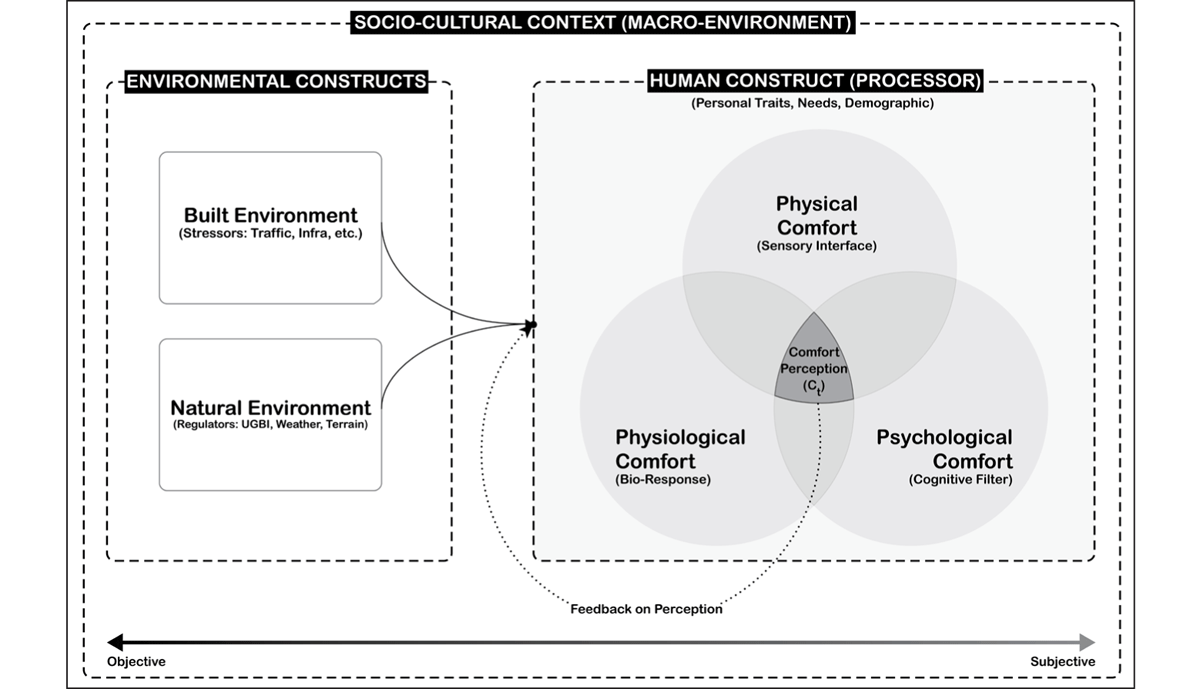
Figure 4: Active mobility comfort framework: The built and natural environments (rounded rectangles) act as inputs into the human processor (shaded dashed box). Comfort (Ct) is conceptualized not as a linear output but as a state of harmony at the intersection of physical, physiological, and psychological systems (Venn diagram). Solid arrows indicate direct stimuli flow, while the dotted line represents the recursive feedback loop based on the traveler’s prior state. All processes are contained within the overarching socio-cultural context.
The human processor experiences this interplay through three synchronized layers of comfort: physical (sensory contact), physiological (biological response), and psychological (cognitive interpretation). The final momentary comfort perception (Ct) is generated dynamically over time and fed back into the system via a temporal loop, updating the baseline for the remainder of the journey.
4.3.1.1 The input constructs: environmental stimuli
The framework distinguishes between two types of environmental forces that act upon the traveler:
Built environment (stressors): This construct forms the physical foundation of the trip. It includes variables identified in the literature, such as the quality, continuity and maintenance of sidewalks and bike lanes, traffic volume, and noise (e.g., Šemrov et al. 2022). These elements generally act as stressors that increase the cognitive and physical load on the traveler.
Natural environment (regulators): This construct refers to ecological and ambient features, including urban green and blue infrastructure (UGBI) and weather-related conditions (e.g., sun, wind, rain). These factors act as modifiers of the experience; for instance, while UGBI and shade can regulate heat stress, weather conditions like rain or wind create secondary physical effects such as slippery paths or increased resistance based on the terrain.
4.3.1.2 The human processor: three layers of comfort
The central construct of the framework is the human, who acts as the processor of environmental stimuli. Within this construct, comfort is perceived through three overlapping layers:
Physical comfort: This layer is the primary and first point of contact our body has with the external world. It is sensed through the five senses: the tactile vibration of the pavement, the acoustic load of traffic, and the visual quality of the path. It represents the immediate sensory interface between the body and the environment.
Physiological comfort: This layer represents the body’s autonomous, internal biological response to the environment. It captures objective stress markers, such as heart rate variability (HRV) and electrodermal activity (EDA), providing a biological record of the travel experience often missed in subjective surveys.
Psychological comfort: This cognitive layer acts as a subjective filter. It encompasses immediate perceptions of comfort overlayed by internal factors like mood, habits, memories and affective associations. It is here that our brain translates raw sensory and biological data into a felt sense of comfort.
4.3.1.3 The temporal construct: the journey path
Recognizing that comfort is not a static score but a continuous negotiation, the framework adopts a time-dynamic approach:
Momentary perception (Ct): The framework acknowledges that comfort changes continuously, producing a variable comfort state throughout the journey.
Temporal feedback loop: This represents the critical non-linear element of the trip. As the traveler moves from t0 to tn, each momentary experience updates all three comfort layers continuously. This feedback loop explains how a high-stress event at the start of a trip can stain the comfort perception for the remainder of the journey, regardless of subsequent environmental improvements. By incorporating a recursive feedback loop, this framework evolves Alfonzo’s (2005) hierarchy from a static “ladder” of needs into a dynamic system. This positions active mobility comfort not just as a transport metric but as a subset of environmental psychology.
Ultimately, this framework provides a necessary theoretical midpoint for the field. By moving beyond high-level hierarchies that often lack specific comfort dimensions (Alfonzo 2005) while avoiding the hyper-complexity of singular physiological models (Bigazzi et al. 2022), it offers a tool that is both comprehensive and practically applicable for urban design. Unlike existing frameworks that isolate specific dimensions such as infrastructure, environment or human factors, this framework integrates all three simultaneously, acknowledging that comfort is neither produced by the environment alone nor reducible to individual traits but emerges from their dynamic interaction. By explicitly distinguishing physical, physiological, and psychological comfort layers and incorporating a temporal feedback loop, it captures the processual nature of comfort as it unfolds during a journey; static indices like BLOS or walkability scores cannot reflect.
It is important to note, however, that this framework deliberately focuses on what comfort is and how it is experienced during active movement. It does not address the triggers of travel behavior or modal choice more broadly. Those questions, while related, require a separate line of inquiry. Crucially, this framework addresses the implementation gap in sustainable transport. While current engineering focuses on safe infrastructure to satisfy liability, the failure to address physiological and psychological comfort explains the modal shift plateau (Batty et al. 2015), where infrastructure exists, but usage remains low because the experience is taxing rather than restorative. To meet climate targets, urban practitioners must move from risk mitigation to comfort optimization, treating active mobility as a comfortable experience rather than just a functional one. This distinction is critical for 2030 and 2050 net-zero targets (IPCC 2022).
By acknowledging that comfort is filtered through a socio-cultural lens, this framework allows for a more equitable approach to planning, one that recognizes that a street is not just a corridor for movement but a sensory environment that must foster psychological equilibrium and restorative experiences for a diverse public. This framework offers researchers a shared conceptual foundation from which comparable, cumulative knowledge can be built and offers practitioners a structured lens for diagnosing comfort deficits beyond traditional safety audits. Empirical research applying and testing the framework across diverse contexts will be essential to refine and validate its propositions.
4.4 Methodological implications
Movement comfort is especially complex, as it is shaped by the constant sensory input and real-time reactions of the human body in motion. This dynamic and embodied nature of comfort makes it inherently difficult to grasp through conventional research methods. Existing literature continues to rely heavily on quantitative indicators, which, while useful, fail to capture the subjective and emotional dimensions of user experience as they should. Therefore, to operationalize this multi-layered active mobility comfort framework and to reflect on the second part of our research question, we advocate for a transition toward multi-modal research designs that can bridge the gap between objective stimuli and subjective perception.
Measuring the macro-environment and personal traits requires capturing the “global lens” of the traveler, such as age, gender, ability and sociocultural background. This happens through pre-trip questionnaires and intersectionality-based document analysis. These steps ensure the model reflects the diverse realities of the population. Simultaneously, the environmental inputs (built and natural) are best captured through a combination of traditional and digital audits. Stressors like traffic volume, noise levels, and lane continuity can be documented via physical measuring and environmental observations, while natural regulators like Sky View Factor, UGBI density and terrain undulation are effectively analyzed through Geographic Information Systems (GIS), mobile weather stations and computer vision analysis of street-view imagery.
The human processor itself requires even more specialized instrumentation to capture real-time reactions. The physical comfort serves as the primary sensory interface and is measured through indicators like vertical vibrations and acoustic load, captured via sensors, high-frequency accelerometers and calibrated microphones. Physiological comfort provides an objective window into the body’s autonomous stress responses; data often missed in retrospective surveys. This aspect is monitored through bio-signals such as HRV, EDA, eye-tracking and body temperature measurement. While the physical and physiological comfort are increasingly data-rich, there remains a noticeable gap in tools capable of documenting how pedestrians and cyclists feel during their journeys. The psychological comfort is still largely restricted to static ratings, Likert scales and personal rankings through questionnaires and interviews. To address this, we propose drawing from user experience (UX) and human-computer interaction (HCI) research traditions. Methods such as video/audio diary recordings, experience mapping, journey mapping, think-aloud protocols and emotion tracking offer promising avenues to more holistically assess the lived experience of comfort. Transferring these techniques into urban and mobility studies opens possibilities to operationalize comfort in a user-centered, rather than infrastructure-centered manner (Kalra et al. 2023), paving the way toward real-time, user-centered assessments of the human urban experience.
5 Conclusion
Our primary research question, “What is comfort in active modes and how has it been studied?” has been addressed through this systematic review. We found that comfort in active modes is a complex, higher-order need extending beyond the mere provision of safe infrastructure. While many studies implicitly or explicitly acknowledge comfort, a clear, consistent, and holistic definition is often absent, and its measurement frequently relies on indicators primarily associated with safety. We, therefore, offered a definition of active mobility comfort. This review demonstrates that current methodologies, predominantly quantitative and analytical within transport engineering, tend to measure pre-defined, safety-oriented proxies of comfort rather than exploring its true experiential components. Furthermore, despite the inherent differences posed by the bicycle, human perception of comfort in both walking and cycling shows several similarities, suggesting a shared basis for its study.
Our proposed framework offers an integrative lens through which comfort in walking and cycling can be more comprehensively understood and studied. By bridging perspectives from urban planning, environmental psychology, and design research, it encourages a more holistic and interdisciplinary approach to active mobility. Beyond identifying discomfort or risk, this framework urges us to explore how urban environments can foster positive, empowering experiences for all users. By broadening both our methodological and theoretical toolkits, we can begin to treat comfort in active mobility not simply as the absence of threats or barriers but as the presence of care, pleasurability, and emotional resonance in everyday urban movement.
5.1 Limitations and significance of the study
This systematic literature review is not without its limitations. The review is subject to publication bias, as only peer-reviewed articles were included, leaving out valuable insights from grey literature such as reports, dissertations, or industry publications. The analysis was also limited to English-language studies, which may have resulted in the exclusion of research that could have offered more personal and local data, particularly from non-English-speaking regions.
Despite these constraints, the review holds significant value for the field. Compared to similar research in the field, such as De Vos (2024), who studied the constructs of “Ease of Travel” in all mobility modes, or Campos Ferreira et al. (2022), who comprehensively reviewed the determinants of safety, security and comfort in active modes, this research focused on the niche of ‘What and How’ of comfort in active modes. It provides a foundation for facilitating meta-analysis by synthesizing existing studies and highlighting research gaps that need further exploration. The temporal and thematic mapping of research trends offers valuable insights into how comfort studies in walking and cycling have evolved, identifying emerging themes and shifts in focus. The review also contributes methodological insights, pointing out variations in study design and approach that may inform future research practices. Ultimately, the study sets the stage for theory development, offering a clearer understanding of how comfort in urban mobility is conceptualized and evaluated. By emphasizing personal characteristics of individuals in active modes, this research bridges the gap between transport research and subjective experience studies by researchers such as Zhang et al. (2024), Kalra et al. (2023) and Maghraoui et al. (2019).
5.2 Key takeaways for policymakers and researchers
This research holds significant implications for urban planning, transportation policy, and academic inquiry. By distinguishing comfort from safety and highlighting its multi-dimensionality, this review provides a foundation for user-centric urban design. The proposed active mobility comfort framework integrating built environment, natural environment and human processor offers a robust framework for holistic comfort research and measurement.
For policymakers and planners, these findings underscore the need to move beyond safety standards and integrate comfort-enhancing measures into active mobility infrastructure such as microclimate, street furniture, aesthetics, soundscapes, individual needs, and overall sensory experience. Prioritizing comfort can encourage greater adoption of active modes, contributing to healthier, more sustainable cities.
For researchers, this study calls for more explorative, interdisciplinary methodologies, especially qualitative and mixed-methods approach. Future research should validate the proposed active mobility comfort framework across diverse urban contexts and user groups. Longitudinal studies could track how comfort-focused interventions influence active travel over time, while developing flexible, standardized comfort metrics, independent of safety, would benefit both research and practice.
Notes
- See Supplementary Table A for full study characteristics. ⮭
Additional File
Supplementary Table A: Dataset of all studies included in the systematic review with detailed extraction of study characteristics, comfort dimensions, and methodological aspects. DOI: https://doi.org/10.16997/ats.2123.s1
Competing Interests
The authors have no competing interests to declare.
References
Abadi, M G and Hurwitz, D S 2018 Bicyclist’s perceived level of comfort in dense urban environments: How do ambient traffic, engineering treatments, and bicyclist characteristics relate? Sustainable Cities and Society, 40: 101–109. DOI: http://doi.org/10.1016/j.scs.2018.04.003
Abadi, M G, Hurwitz, D S and Macuga, K L 2019 Towards safer bicyclist responses to the presence of a truck near an urban loading zone: Analysis of bicyclist perceived level of comfort. Journal of Safety Research, 71: 181–190. DOI: http://doi.org/10.1016/j.jsr.2019.09.023
Abarghuie, F A, Ayatollahi, S M H and Afrasiabi, H 2021 A review of the foundations of thermal comfort methodology in the built environment. International Journal of Architectural Engineering & Urban Planning, 31(4): 1–17. DOI: http://doi.org/1022068/ijaup.31.4.622
Al Shammas, T and Escobar, F 2019 Comfort and time-based walkability index design: A GIS-based proposal. International Journal of Environmental Research and Public Health, 16(16): Article 16. DOI: http://doi.org/10.3390/ijerph16162850
Al Shammas, T, Gullón, P, Klein, O and Escobar, F 2023 Development of a GIS-based walking route planner with integrated comfort walkability parameters. Computers, Environment and Urban Systems, 103: 101981. DOI: http://doi.org/10.1016/j.compenvurbsys.2023.101981
Albala, P L R and Mülfarth, R C K 2024 Pedestrian pathways: An index based on the interrelations between walkability and environmental comfort. Ambiente Construído, 24: e138386. DOI: http://doi.org/10.1590/s1678-86212024000100777
Alfonzo, M A 2005 To walk or not to walk? The hierarchy of walking needs. Environment and Behavior, 37(6): 37–6. DOI: http://doi.org/10.1177/0013916504274016
Alsina-Pagès, R M, Parés, M E, Vidaña-Vila, E, Freixes, M, et al. 2024 Conscious walk assessment for the joint evaluation of the soundscape, air quality, biodiversity, and comfort in Barcelona. Noise Mapping, 11(1). DOI: http://doi.org/10.1515/noise-2022-0182
Apasnore, P, Ismail, K and Kassim, A 2017 Bicycle-vehicle interactions at mid-sections of mixed traffic streets: Examining passing distance and bicycle comfort perception. Accident Analysis & Prevention, 106: 141–148. DOI: http://doi.org/10.1016/j.aap.2017.05.003
Appleyard, D, Gerson, M S and Lintell, M 1981 Livable Streets. Berkeley, CA: University of California Press.
Arakawa Martins, L, Soebarto, V and Williamson, T 2022 A systematic review of personal thermal comfort models. Building and Environment, 207: 108502. DOI: http://doi.org/10.1016/j.buildenv.2021.108502
Ayachi, F S, Dorey, J and Guastavino, C 2015 Identifying factors of bicycle comfort: An online survey with enthusiast cyclists. Applied Ergonomics, 46: 124–136. DOI: http://doi.org/10.1016/j.apergo.2014.07.010
Banister, D 2008 The sustainable mobility paradigm. Transport Policy, New Developments in Urban Transportation Planning, 15(2): 15–2. DOI: http://doi.org/10.1016/j.tranpol.2007.10.005
Baş, H, Andrianne, T and Reiter, S 2024 City configurations to optimise pedestrian level ventilation and wind comfort. Sustainable Cities and Society, 114: 105745. DOI: http://doi.org/10.1016/j.scs.2024.105745
Batty, P, Palacin, R and González-Gil, A 2015 Challenges and opportunities in developing urban modal shift. Travel Behaviour and Society, 2(2): 2–2. DOI: http://doi.org/10.1016/j.tbs.2014.12.001
Beura, S K, Chellapilla, H, Panda, M and Bhuyan, P K 2021 Bicycle Comfort Level Rating (BCLR) model for urban street segments in mid-sized cities of India. Journal of Transport & Health, 20: 100971. DOI: http://doi.org/10.1016/j.jth.2020.100971
Bigazzi, A, Ausri, F, Peddie, L, Fitch, D and Puterman, E 2022 Physiological markers of traffic-related stress during active travel. Transportation Research Part F: Traffic Psychology and Behaviour, 84: 223–238. DOI: http://doi.org/10.1016/j.trf.2021.12.003
Bigazzi, A, Gill, G and Winters, M 2021 Contrasting perspectives on the comfort and safety of pedestrians interacting with other road users. Transportation Research Record: Journal of the Transportation Research Board, 2675(3): 2675–3. DOI: http://doi.org/10.1177/0361198121992272
Bíl, M, Andrášik, R and Kubeček, J 2015 How comfortable are your cycling tracks? A new method for objective bicycle vibration measurement. Transportation Research Part C: Emerging Technologies, 56: 415–425. DOI: http://doi.org/10.1016/j.trc.2015.05.007
Blanc, B and Figliozzi, M 2016 Modeling the impacts of facility type, trip characteristics, and trip stressors on cyclists’ comfort levels utilizing crowdsourced data. Transportation Research Record, 2587(1): 2587–1. DOI: http://doi.org/10.3141/2587-12
Blocken, B, Stathopoulos, T and van Beeck, J P A J 2016 Pedestrian-level wind conditions around buildings: Review of wind-tunnel and CFD techniques and their accuracy for wind comfort assessment. Building and Environment, 100: 50–81. DOI: http://doi.org/10.1016/j.buildenv.2016.02.004
Calvey, J C, Shackleton, J P, Taylor, M D and Llewellyn, R 2015 Engineering condition assessment of cycling infrastructure: Cyclists’ perceptions of satisfaction and comfort. Transportation Research Part A: Policy and Practice, 78: 78–134. DOI: http://doi.org/10.1016/j.tra.2015.04.031
Campos Ferreira, M, Dias Costa, P, Abrantes, D, Hora, J, et al. 2022 Identifying the determinants and understanding their effect on the perception of safety, security, and comfort by pedestrians and cyclists: A systematic review. Transportation Research Part F: Traffic Psychology and Behaviour, 91: 91–136. DOI: http://doi.org/10.1016/j.trf.2022.10.004
De Vos, J 2024 The ease of travel: A person-based measure of people’s ability to travel. Transportation Research Part A: Policy and Practice, 187: 104174. DOI: http://doi.org/10.1016/j.tra.2024.104174
De Quadros, B M and Mizgier, M G O 2023 Urban green infrastructures to improve pedestrian thermal comfort: A systematic review. Urban Forestry & Urban Greening, 88: 128091. DOI: http://doi.org/10.1016/j.ufug.2023.128091
Duvall, J, Sinagra, E, Cooper, R and Pearlman, J 2016 Proposed pedestrian pathway roughness thresholds to ensure safety and comfort for wheelchair users. Assistive Technology, 28(4): 28–4. DOI: http://doi.org/10.1080/10400435.2016.1150364
Fancello, G, Congiu, T and Tsoukiàs, A 2020 Mapping walkability. A subjective value theory approach. Socio-Economic Planning Sciences, 72: 100923. DOI: http://doi.org/10.1016/j.seps.2020.100923
Fitch, D T, Carlen, J and Handy, S L 2022 What makes bicyclists comfortable? Insights from a visual preference survey of casual and prospective bicyclists. Transportation Research Part A: Policy and Practice, 155: 155–434. DOI: http://doi.org/10.1016/j.tra.2021.11.008
Fitch, D T and Handy, S L 2018 The relationship between experienced and imagined bicycling comfort and safety. Transportation Research Record, 2672(36). DOI: http://doi.org/10.1177/0361198118787635
Furth, P G, Sadeghinasr, B and Miranda-Moreno, L 2023 Slope stress criteria as a complement to traffic stress criteria, and impact on high comfort bicycle accessibility. Journal of Transport Geography, 112: 103708. DOI: http://doi.org/10.1016/j.jtrangeo.2023.103708
Gadsby, A, Tsai, J and Watkins, K 2022 Understanding the influence of pavement conditions on cyclists’ perception of safety and comfort using surveys and eye tracking. Transportation Research Record, 2676(12): 2676–12. DOI: http://doi.org/10.1177/03611981221090936
Gao, J, Sha, A, Huang, Y, Hu, L, Tong, Z and Jiang, W 2018 Evaluating the cycling comfort on urban roads based on cyclists’ perception of vibration. Journal of Cleaner Production, 192: 192–531. DOI: http://doi.org/10.1016/j.jclepro.2018.04.275
Gao, J, Sha, A, Huang, Y, Liu, Z, et al. 2019 Cycling comfort on asphalt pavement: Influence of the pavement-tyre interface on vibration. Journal of Cleaner Production, 223: 223–323. DOI: http://doi.org/10.1016/j.jclepro.2019.03.153
Garilli, E, Autelitano, F, Freddi, F and Giuliani, F 2023 Impact of Pedestrian Pavement Design on the Users’ Comfort Level in an Intermodal Passenger Terminal. International Journal of Pavement Research and Technology. DOI: http://doi.org/10.1007/s42947-023-00366-z
Gehl, J 2010 Cities for people. Washington, DC: Island Press/Center for Resource Economics.
Gill, G, Bigazzi, A and Winters, M 2022 Investigating relationships among perceptions of yielding, safety, and comfort for pedestrians in unsignalized crosswalks. Transportation Research Part F: Traffic Psychology and Behaviour, 85: 85–179. DOI: http://doi.org/10.1016/j.trf.2022.01.007
Huang, G, Yu, Y, Lyu, M, Sun, D, et al. 2024 Impact of Physical Features on Visual Walkability Perception in Urban Commercial Streets by Using Street-View Images and Deep Learning. Buildings, 15(1): Article 1. DOI: http://doi.org/10.3390/buildings15010113
IPCC (ed.) 2022 Climate change 2022: Mitigation of climate change. Cambridge, UK: Cambridge University Press.
Jacobs, J 1961 The death and life of great American cities. New York, NY: Random House.
Jamei, E and Rajagopalan, P 2019 Effect of street design on pedestrian thermal comfort. Architectural Science Review, 62(2): 62–2. DOI: http://doi.org/10.1080/00038628.2018.1537236
Jeong, D Y, Kwahk, J, Han, S H, Park, J et al. 2018 A pedestrian experience framework to help identify impediments to walking by mobility-challenged pedestrians. Journal of Transport & Health, 10: 10–334. DOI: http://doi.org/10.1016/j.jth.2018.06.001
Kalra, A, Lim, T, Pearson, L and Beck, B 2023 Methods used to capture subjective user experiences in adults while riding bicycles: A scoping review. Transport Reviews, 43(3): 43–3. DOI: http://doi.org/10.1080/01441647.2022.2123064
Kazemzadeh, K, Afghari, A P and Cherry, C R 2024 For whom is sharing really scaring? Capturing unobserved heterogeneity in perceived comfort when cycling in shared spaces. Transportation Research Part F: Traffic Psychology and Behaviour, 103: 103–306. Scopus. DOI: http://doi.org/10.1016/j.trf.2024.04.017
Kazemzadeh, K, Camporeale, R, D’Agostino, C, Laureshyn, A et al. 2020 Same questions, different answers? A hierarchical comparison of cyclists’ perceptions of comfort: in-traffic vs. online approach. Transportation Letters, 13(7): 13–7. DOI: http://doi.org/10.1080/19427867.2020.1737373
Kyung, G and Nussbaum, M A 2008 Driver sitting comfort and discomfort (part II): Relationships with and prediction from interface pressure. International Journal of Industrial Ergonomics, Seating Dynamics, 38(5): 38–5. DOI: http://doi.org/10.1016/j.ergon.2007.08.011
Lee, O, Rasch, A, Schwab, A L and Dozza, M 2020 Modelling cyclists’ comfort zones from obstacle avoidance manoeuvres. Accident Analysis & Prevention, 144: 105609. DOI: http://doi.org/10.1016/j.aap.2020.105609
Lépine, J, Champoux, Y and Drouet, J-M 2014 Road bike comfort: On the measurement of vibrations induced to cyclist. Sports Engineering, 17(2): 17–2. DOI: http://doi.org/10.1007/s12283-013-0145-8
Li, Z, Wang, W, Liu, P and Ragland, D R 2012a Physical environments influencing bicyclists’ perception of comfort on separated and on-street bicycle facilities. Transportation Research Part D: Transport and Environment, 17(3): 17–3. DOI: http://doi.org/10.1016/j.trd.2011.12.001
Li, Z, Wang, W, Liu, P, Schneider, R and Ragland, D R 2012b Investigating bicyclists’ perception of comfort on physically separated bicycle paths in Nanjing, China. Transportation Research Record, 2317(1). DOI: http://doi.org/10.3141/2317-10
Liu, M, Qian, F, Mi, J and Zuo, L 2022a Dynamic interaction of energy-harvesting backpack and the human body to improve walking comfort. Mechanical Systems and Signal Processing, 174: 109101. DOI: http://doi.org/10.1016/j.ymssp.2022.109101
Liu, M, Zhang, B, Luo, T, Liu, Y, et al. 2022b Evaluating Street Lighting Quality in Residential Areas by Combining Remote Sensing Tools and a Survey on Pedestrians’ Perceptions of Safety and Visual Comfort. Remote Sensing, 14(4): 826. DOI: http://doi.org/10.3390/rs14040826
Lubbe, N and Rosén, E 2014 Pedestrian crossing situations: Quantification of comfort boundaries to guide intervention timing. Accident Analysis & Prevention, 71: 71–261. DOI: http://doi.org/10.1016/j.aap.2014.05.029
Lynch, K 1960 The image of the city. Cambridge, MA: The MIT Press.
Ma, X, Chau, C K and Lai, J H K 2021 Critical factors influencing the comfort evaluation for recreational walking in urban street environments. Cities, 116: 103286. DOI: http://doi.org/10.1016/j.cities.2021.103286
Maghraoui, O A, Vallet, F, Puchinger, J and Yannou, B 2019 Modeling traveler experience for designing urban mobility systems. Design Science, 5: e7. DOI: http://doi.org/10.1017/dsj.2019.6
McNeil, N, Monsere, C M and Dill, J 2015 Influence of bike lane buffer types on perceived comfort and safety of bicyclists and potential bicyclists. Transportation Research Record: Journal of Transportation Research Board, 2520(1). DOI: http://doi.org/10.3141/2520-15
Monsere, C M, McNeil, N W and Sanders, R L 2020 User-rated comfort and preference of separated bike lane intersection designs. Transportation Research Record, 2674(9). DOI: http://doi.org/10.1177/0361198120927694
Morris, M R, Barker, J B, Biehler, A D, Appel, P H and Brewster, R M 2010 Highway Capacity Manual. Transportation Research Board 2010 Executive Committee.
Nasrollahi, N, Ghosouri, A, Khodakarami, J and Taleghani, M 2020 Heat-Mitigation Strategies to Improve Pedestrian Thermal Comfort in Urban Environments: A Review. Sustainability, 12(23): Article 23. DOI: http://doi.org/10.3390/su122310000
Negm, H, Vos, J D and El-Geneidy, A 2024 Does it matter if you like it? Exploring the relationship between travel mode choice, preference, and satisfaction. Transportation Research Part D: Transport and Environment, 127, 104053. DOI: http://doi.org/10.1016/j.trd.2024.104053
Niska, A, Sjögren, L, Andrén, P, Weber, C, et al. 2024 Determination of riding comfort on cycleways using a smartphone application. Journal of Traffic and Transportation Engineering (English Edition), 11(4): 11–4. DOI: http://doi.org/10.1016/j.jtte.2023.05.010
Nury, S A and Haykal, H T 2023 The Influence of Safety and Comfort on Walkability in Erbil City Center. Zanco Journal of Pure and Applied Sciences, 35(3): Article 3. DOI: http://doi.org/10.21271/ZJPAS.35.3.6
O’Hern, S, Stephens, A N, Young, K L and Koppel, S 2019 What makes cyclists angry? The relationships between trait anger, interest in cycling and self-reported comfort levels. Transportation Research Part F: Traffic Psychology and Behaviour, 62: 62–672. DOI: http://doi.org/10.1016/j.trf.2019.03.004
Øvstedal, L and Ryeng, E O 2015 Understanding Pedestrian Comfort in European Cities: How To Improve Walking Conditions? Conference Paper. Available at: https://trid.trb.org/View/729106 and https://www.researchgate.net/publication/268428648
Page, M J, McKenzie, J E, Bossuyt, P M, Boutron, I, et al. 2021 The PRISMA 2020 statement: An updated guideline for reporting systematic reviews. BMJ, 372: n71. DOI: http://doi.org/10.1136/bmj.n71
Papaioannou, G, Shen, C, Rothhämel, M and Happee, R 2025 Occupants’ comfort: What about human body dynamics in road and rail vehicles? Vehicle System Dynamics, 63(7): 63–7. DOI: http://doi.org/10.1080/00423114.2025.2504113
Pearson, E J M 2009 Comfort and its measurement – A literature review. Disability and Rehabilitation: Assistive Technology, 4(5): 4–5. DOI: http://doi.org/10.1080/17483100902980950
Piao, Z and Lee, Y 2022 Which Tangible or Intangible Elements of Streetscape are More Critical for Pedestrian Comfort? – Focus on Immersive Virtual Reality Simulation. Wichmann Verlag. DOI: http://doi.org/10.14627/537724039
Pineau, C 1982 The psychological meaning of comfort. Applied Psychology, 31(2): 31–2. DOI: http://doi.org/10.1111/j.1464-0597.1982.tb00097.x
Public Health Agency of Canada 2020 The Canadian Bikeway Comfort and Safety (Can-BICS) Classification System: A common naming convention for cycling infrastructure [Research]. Public Health Agency of Canada. DOI: http://doi.org/10.25318/82-003-x202201000001-eng
Ren, X, Li, Q, Yuan, M and Shao, S 2023 How visible street greenery moderates traffic noise to improve acoustic comfort in pedestrian environments. Landscape and Urban Planning, 238: 104839. DOI: http://doi.org/10.1016/j.landurbplan.2023.104839
Rybarczyk, G, Ozbil, A, Andresen, E and Hayes, Z 2020 Physiological responses to urban design during bicycling: A naturalistic investigation. Transportation Research Part F: Traffic Psychology and Behaviour, 68: 68–79. DOI: http://doi.org/10.1016/j.trf.2019.12.001
Sarkar, S 2003 Qualitative evaluation of comfort needs in urban walkways in major activity centers. Transportation Quarterly, 57(4): 57–4.
Scholler, V, Pirlot, T, Groslambert, A and Grappe, F 2021 Biomechanical determinant of sitting comfort in cycling, a case study series.
Šemrov, D, Rijavec, R and Lipar, P 2022 Dimensioning of cycle lanes based on the assessment of comfort for cyclists. Sustainability, 14(16): Article 16. DOI: http://doi.org/10.3390/su141610172
Shah, J, Shah, S, Mehta, G, Gandhi, J and Gor, M 2020 Vertical stiffness of bicycle frame and its influence on rider comfort. SN Applied Sciences, 2(10): 1629. DOI: http://doi.org/10.1007/s42452-020-03410-w
Shoman, M M, Imine, H, Acerra, E M and Lantieri, C 2023 Evaluation of Cycling Safety and Comfort in Bad Weather and Surface Conditions Using an Instrumented Bicycle. IEEE Access, 11: 11–15096. DOI: http://doi.org/10.1109/ACCESS.2023.3242583
Singleton, P A and Poudel, N 2023 Bicycling comfort at roundabouts: Effects of design and situational factors. Transportation Research Part F: Traffic Psychology and Behaviour, 94: 94–227. DOI: http://doi.org/10.1016/j.trf.2023.02.008
Slater, K 1986 Discussion paper the assessment of comfort. The Journal of The Textile Institute, 77(3): 77–3. DOI: http://doi.org/10.1080/00405008608658406
Takebayashi, H 2016 High-Reflectance Technology on Building Façades: Installation Guidelines for Pedestrian Comfort. Sustainability, 8(8): Article 8. DOI: http://doi.org/10.3390/su8080785
Teshnehdel, S, Akbari, H, Di Giuseppe, E and Brown, R D 2020 Effect of tree cover and tree species on microclimate and pedestrian comfort in a residential district in Iran. Building and Environment, 178: 106899. DOI: http://doi.org/10.1016/j.buildenv.2020.106899
Trop, T, Shoshany Tavory, S and Portnov, B A 2023 Factors Affecting Pedestrians’ Perceptions of Safety, Comfort, and Pleasantness Induced by Public Space Lighting: A Systematic Literature Review. Environment and Behavior, 55(1–2), 3–46. DOI: http://doi.org/10.1177/00139165231163550
Vanwalleghem, J, De Baere, I, Loccufier, M and Van Paepegem, W 2013 Sensor design for outdoor racing bicycle field testing for human vibration comfort evaluation. Measurement Science and Technology, 24(9): 095002. DOI: http://doi.org/10.1088/0957-0233/24/9/095002
Winters, M, Beairsto, J, Ferster, C, Nelson, T et al. 2022 The Canadian Bikeway Comfort and Safety metrics (Can-BICS): National measures of the bicycling environment for use in research and policy. Health Reports, 33(10): 33–10. DOI: http://doi.org/10.25318/82-003-x202201000001-eng
Wojnowska-Heciak, M, Heciak, J and Kłak, A 2022 Concrete Paving Slabs for Comfort of Movement of Mobility-Impaired Pedestrians—A Survey. International Journal of Environmental Research and Public Health, 19(6): 3183. DOI: http://doi.org/10.3390/ijerph19063183
Xiao, A, Cheng, B, Zhang, J, Peng, H, et al. 2024 A study of acoustic-light-thermal effects on pedestrians’ overall comfort in a Cfa-climate campus during the summer. Journal of Thermal Biology, 121: 103839. DOI: http://doi.org/10.1016/j.jtherbio.2024.103839
Yang, L, Tao, L, Hai, W, Rui, L, et al. 2023 Safety and Comfort Evaluation of High-Speed Cycling on Urban Asphalt Pavement. Transportation Research Record, 2678(7): 2678–7. DOI: http://doi.org/10.1177/03611981231208909
Zeisel, J 1984 Inquiry by design: Tools for environment-behaviour research. Cambridge, UK: Cambridge University Press.
Zhang, R, Te Brömmelstroet, M, Nikolaeva, A and Liu, G 2024 Cycling subjective experience: A conceptual framework and methods review. Transportation Research Part F: Traffic Psychology and Behaviour, 101: 101–142. DOI: http://doi.org/10.1016/j.trf.2023.12.021
Zhu, S and Zhu, F 2019. Cycling comfort evaluation with instrumented probe bicycle. Transportation Research Part A: Policy and Practice, 129: 129–217. DOI: http://doi.org/10.1016/j.tra.2019.08.009
Zuo, J, Mu, T, Xiao, T-Y and Luo, J-C 2021 Evaluation of Walking Comfort in Children’s School Travel at Street Scale: A Case Study in Tianjin (China). International Journal of Environmental Research and Public Health, 18(19): Article 19. DOI: http://doi.org/10.3390/ijerph181910292